A complete guide to understanding beam angles and how they impact
light distribution, mood and functionality in a space.
In this Article
01
What is Beam Angle ?
02
Understanding Beam Angles
03
How to Choose Right Beam Angle
04
Recommended Combinations
05
Common mistakes to avoid
06
Expert Tip
07
Conclusion
What is Beam Angle ?
A complete guide to understanding beam angles and how they impact light distribution, mood and functionality in a space.
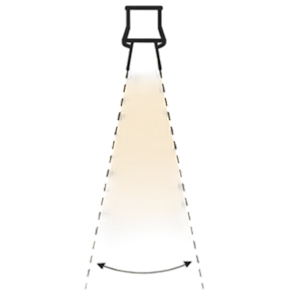
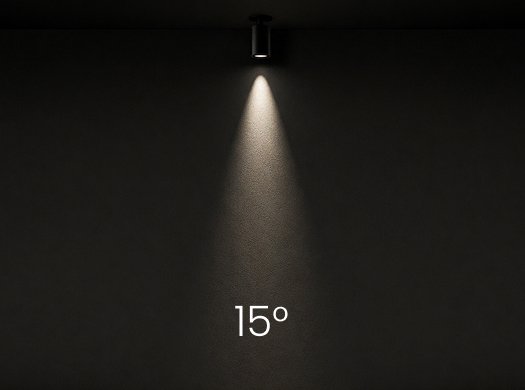
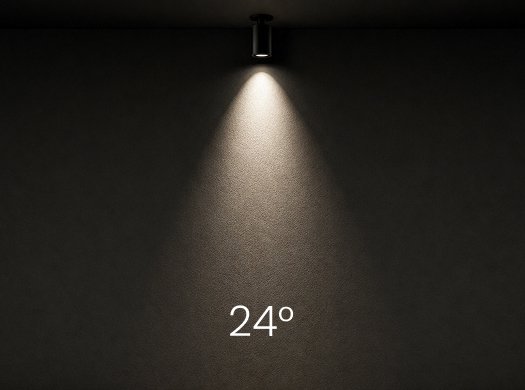
Narrow Beam
10° – 20° Focused dramatic lighting
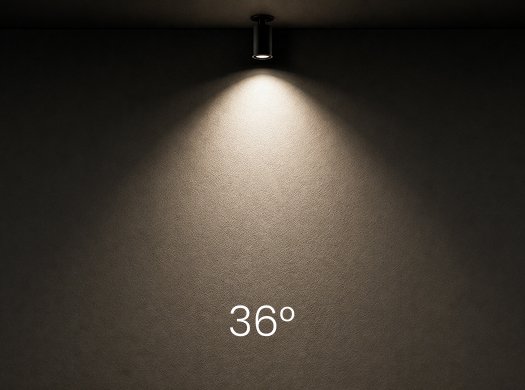
Medium Beam
20° – 40° Balanced, general lighting
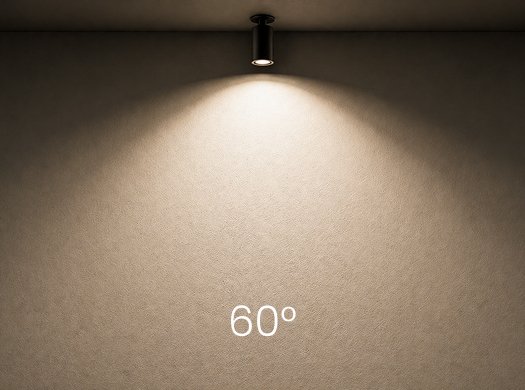
Wide Beam
50° – 90° Soft, diffused illumination
Understanding Beam Angles
Different beam angles create different effects. Here’s how each one works
Accent Lighting
A complete guide to understanding beam angles and how they impact light distribution, mood and functionality in a space
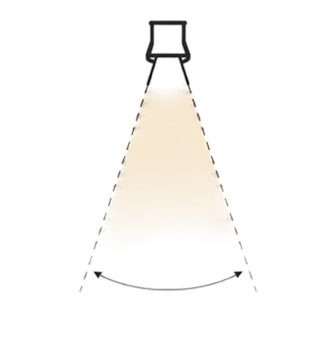
Feature Highlighting
Slightly wider, still controlled. Perfect for feature walls and statement elements.
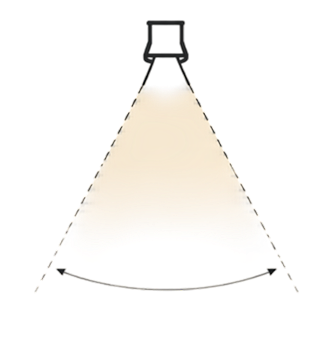
General Lighting
A complete guide to understanding beam angles and how they impact light distribution, mood and functionality in a space.
Wide Wash Lighting
A complete guide to understanding beam angles and how they impact light distribution, mood and functionality in a space
How to Choose the Right Beam Angle
01 Define the Purpose
Highlighting an object → Narrow beam
General room lighting → Medium beam
Even illumination → Wide beam
01 Define the Purpose
High ceiling → Wider beam
Low ceiling → Narrow beam for better focus
01 Define the Purpose
Too many wide beams can flatten a space,
while narrow beams can create unwanted dark spots.
A balanced layout is key
Recommended Combinations
A well-balanced lighting scheme layers different beam angles to create depth and visual hierarchy. Narrow beams highlight focal elements, while wider spreads provide ambient coverage—working together to achieve both function and atmosphere
Common mistakes to avoid
Relying on a single beam angle often leads to flat or uneven lighting. Poor planning can create harsh contrasts or dark zones, disrupting the overall harmony and reducing the intended impact of the space.
Disclaimer:
These results provide a helpful estimate for planning purposes. Actual outcomes may vary slightly based on product and conditions—please verify before final purchase.